
A guide to credit cards for low income earners
You might think you need to earn a high salary to get a credit card – but that’s not true. If you’re on a low income, part-time, or a student, there are credit cards designed with your situation in mind.
In this guide, we’ll explain your options, what to consider before applying, and how to improve your chances of getting approved.
6 min read

In a nutshell
- You can still apply for a credit card as a low-income or part-time worker.
- You may be offered a lower credit limit than someone with a higher income, as lenders consider both your income and credit score.
- Some lenders have a minimum income requirement, which can make it more difficult for low-income applicants to be approved.
- Use an eligibility checker to see if you’re likely to be approved before applying—this doesn’t affect your credit score.

Can I get a credit card on a low income?
Yes, you can. Some credit cards are made for people who don’t earn much money. You might not get a high limit to start with, but that’s okay. If you use your card well, your credit score can grow over time, and your limit could then increase too.
When you apply, the lender looks at things like:
- How much money you make
- If you have a job (even part-time)
- If you pay bills on time
- Your credit score
💡 Tip: Check your eligibility before you apply to see what your chances of being approved are. It won’t affect your credit score.
What is classed as low income?
Every credit card company is different, but lenders may see anything under £20,000 a year as low income.
If you earn less than that, you may:
- Get a smaller credit limit
- Need to show your income is steady
- Be asked more questions about your finances – to check you can afford the repayments
You can still get a card – just check your chances first.
Credit cards for part-time workers
Even if you don’t work full-time, you might still be able to get a credit card. Many providers accept part-time income, especially if it’s consistent and you’ve been in your job for a while.
To boost your chances:
- Make sure your income is regular, even if the amount varies
- Check your credit report before you apply
- Use an eligibility checker to avoid rejection
You may be offered a lower credit limit to start with, but managing it well can help build your credit score.
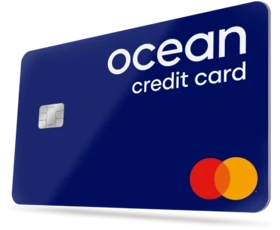
Ocean Credit Card
See if it's a YES before you apply
- Up to £3,000 credit limit
- Checking won't affect your credit score
- Get a response in 60 seconds
39.9% APR Representative (variable)
Intelligent Lending Ltd (credit broker). Capital One is the exclusive lender.
Credit cards for students
If you're a student over 18 and have some income – like from a part-time job or regular allowance – you might qualify for a student credit card or a card aimed at people with little credit history.
These cards often come with:
- Low credit limits
- Higher interest rates
- Basic features to help you build credit
Just make sure to spend only what you can afford to repay in full each month to avoid interest and debt.
Credit cards for people on benefits
Some credit card companies count certain benefits as income – like Universal Credit, Personal Independence Payment (PIP), or Child Benefit. If you receive regular payments and can show you can afford repayments, you might still be eligible.
Lenders may look at:
- How steady your benefit payments are
- Whether you’ve borrowed before and paid it back on time
- Your credit score and existing debts
Always check the small print – not all lenders treat benefit income the same.
What to do before you apply
Before you apply, it helps to get ready. Here’s what to do:
- ✅ Check your credit report – Make sure it’s right. You can look for free on sites like Experian, Equifax or TransUnion.
- ✅ Join the electoral roll – This helps lenders check who you are.
- ✅ Keep up with bills – If you pay things on time, your credit score can go up.
- ✅ Remove old financial links – If you’ve had a joint account or credit agreement with someone who has bad credit, it could affect your score. You can ask the credit reference agencies to remove these links by submitting a financial disassociation request through their websites.
Doing these things can boost your chances of being accepted.
Don’t apply for too many cards at once
If one card says no, it can feel tempting to try lots more. But that can harm your credit score.
Each time you apply for a credit card, the lender usually runs a hard search on your credit report. Too many hard searches in a short space of time can make it look like you’re struggling financially – which might put other lenders off.
Instead, use an eligibility checker first. It shows your chances without hurting your score. Once you’ve found a card you’re likely to be approved for, you can then apply with more confidence, knowing you’re less likely to be turned down.
How a credit card can help build your credit
If you get a card with a low limit, that’s still useful. If you use it in a smart way, you can grow your credit score.
Here’s how:
- Use your card for small things like food or travel
- Pay the balance in full each month
- Stay well under your credit limit
Over time, your credit limit may grow too – as long as you keep paying on time.
A low income doesn’t mean no options
You don’t need a big wage to get a credit card. With the right one, and by using it well, you can build your credit and take control of your money.
Take your time, check your eligibility, and pick the card that’s right for you.
Disclaimer: We make every effort to ensure content is correct when published. Information on this website doesn't constitute financial advice, and we aren't responsible for the content of any external sites.
